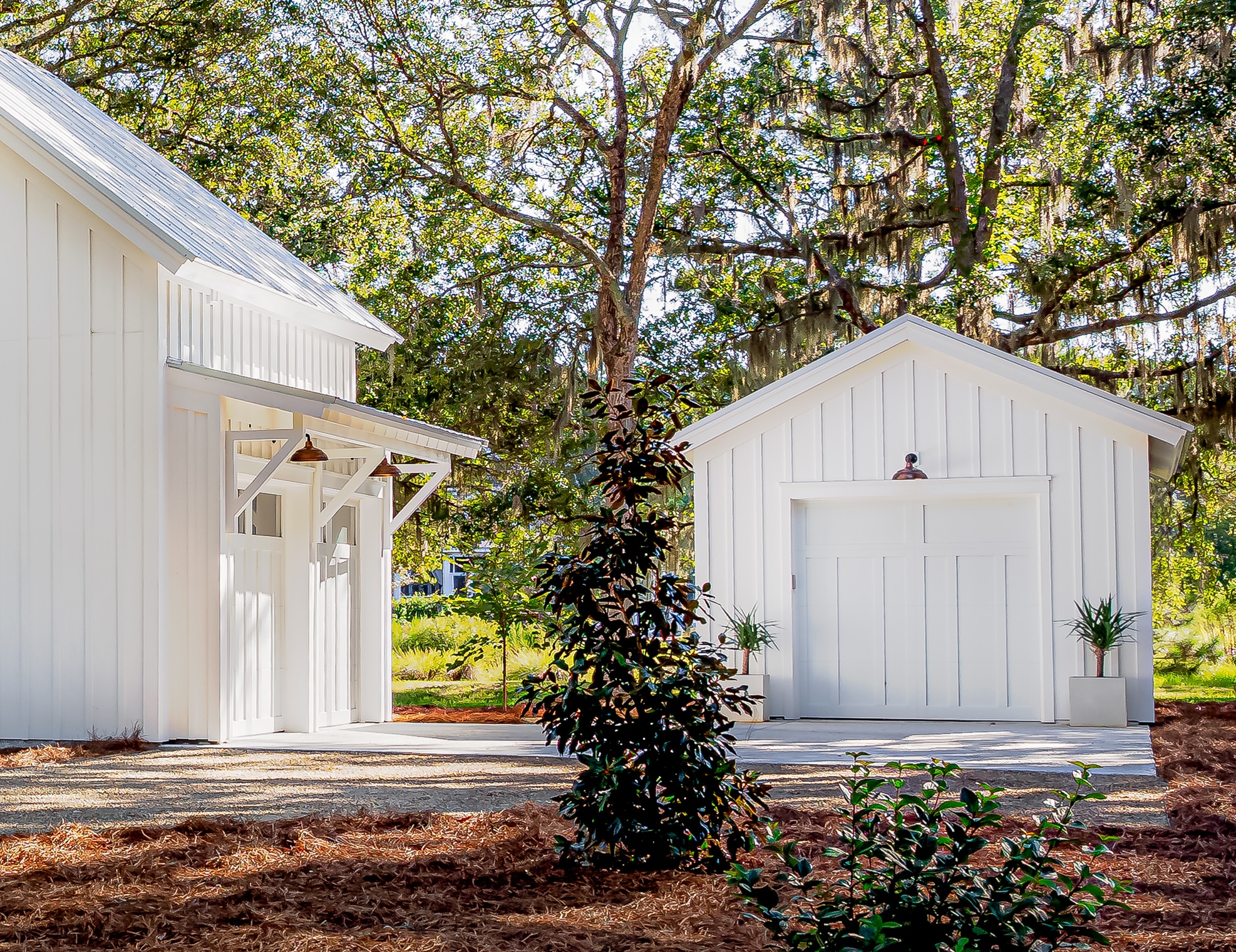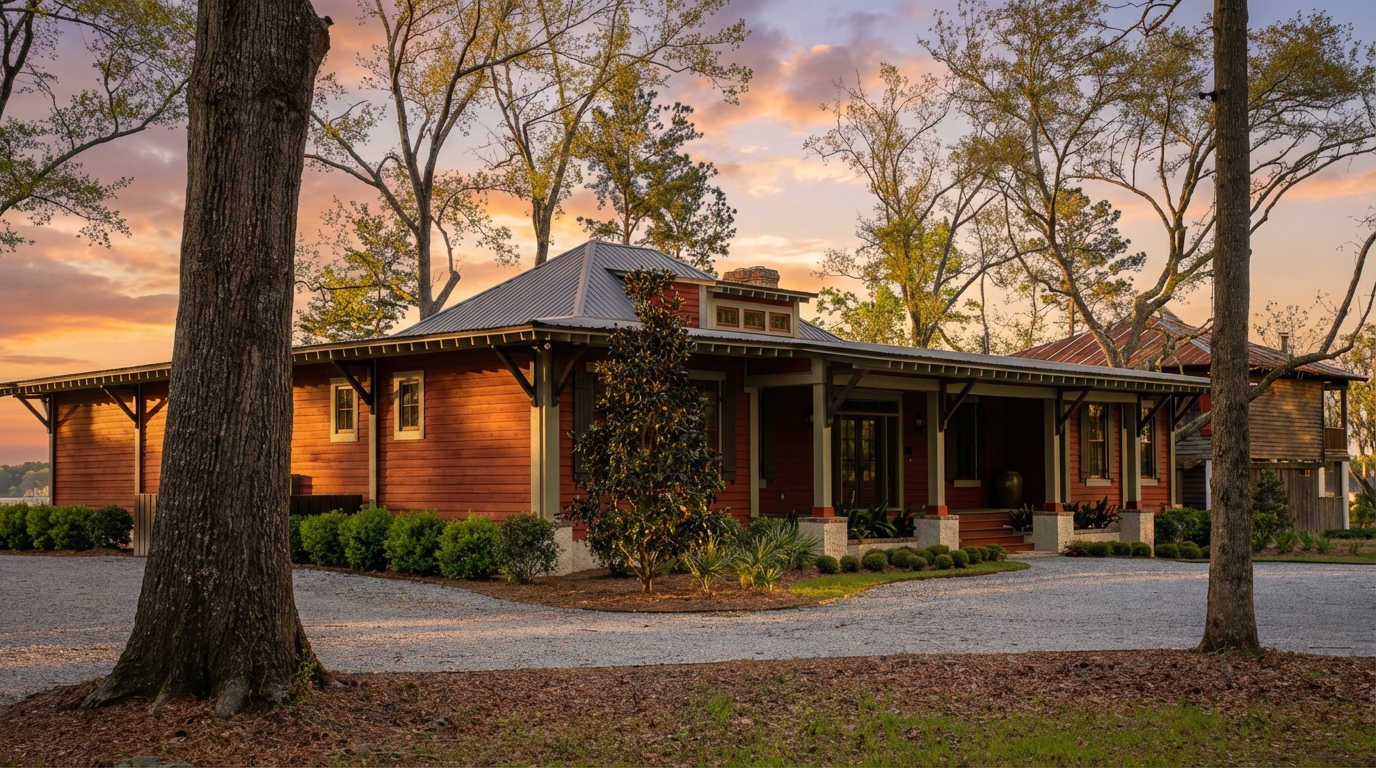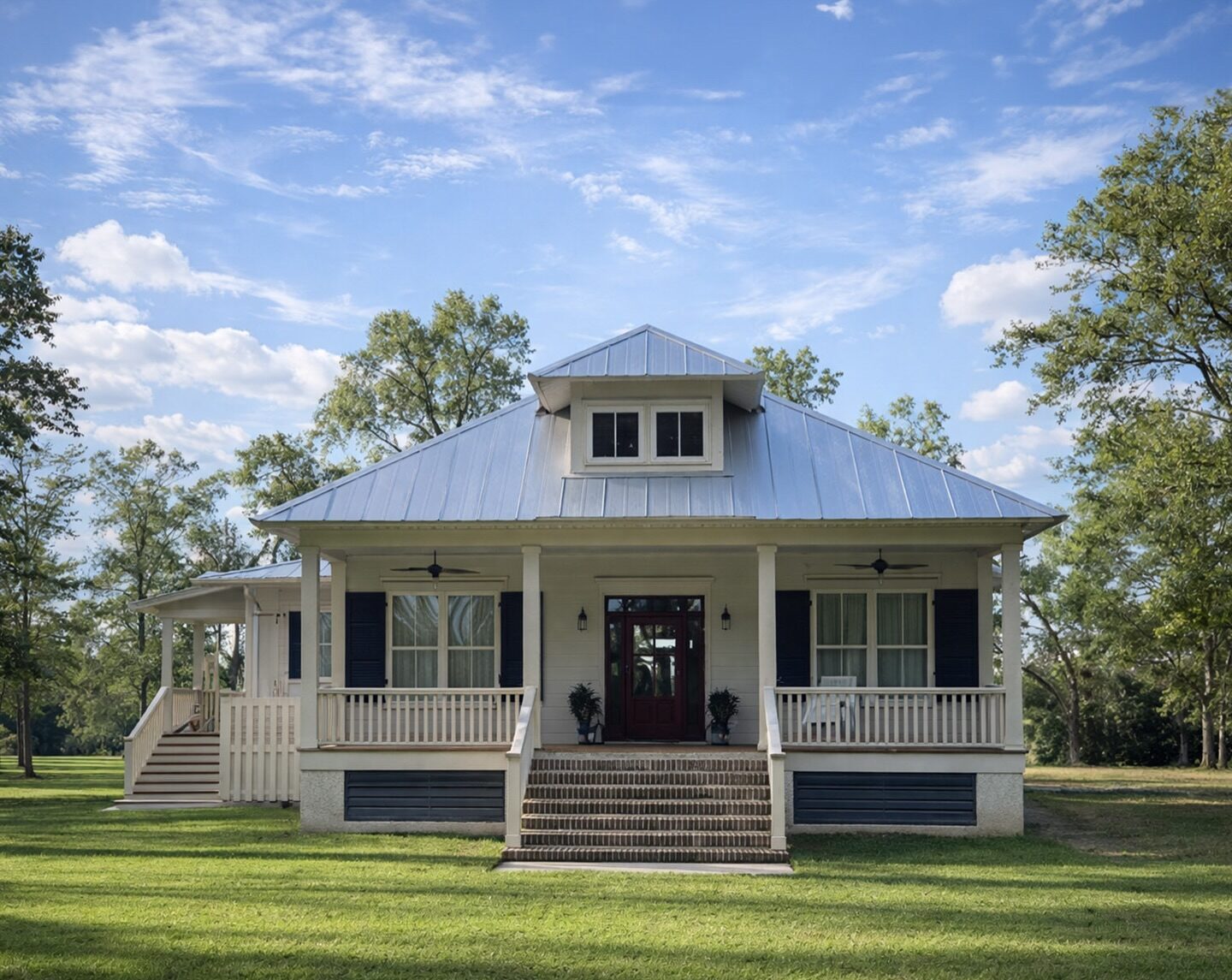
A pork chop eave is the triangular return at the gable end of a roof, created when the rake trim stops short and turns back toward the wall. It’s often added as a shortcut to suggest a traditional eave detail without fully carrying the cornice across the elevation.
The issue is not that it’s noticeable. The issue is that it rarely adds value.
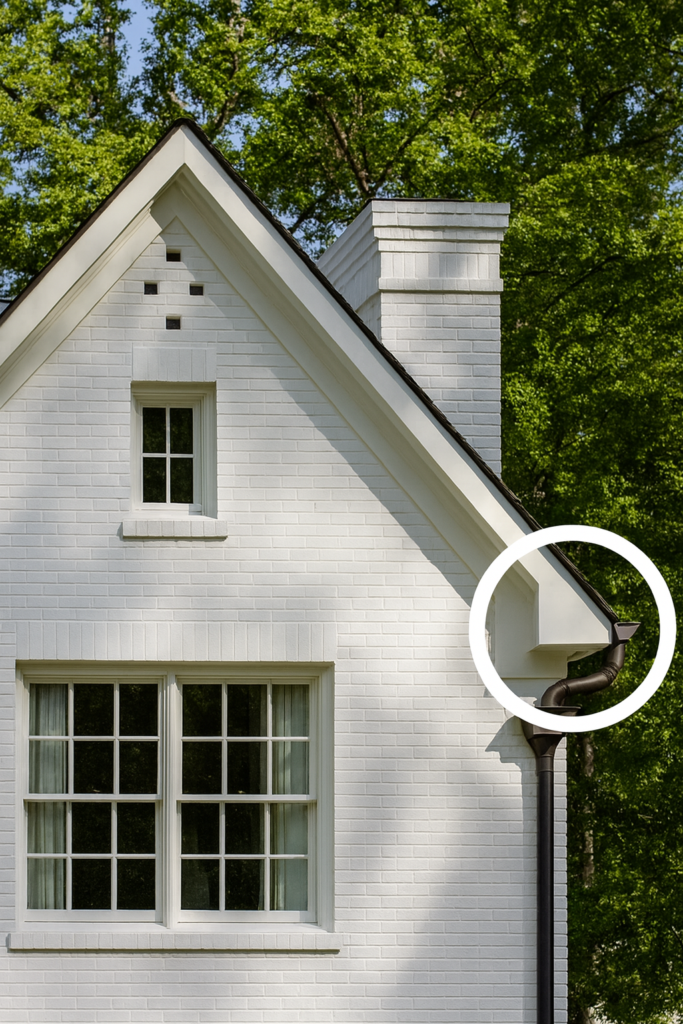
Traditional architecture relies on continuity. A pork chop eave interrupts that flow. Instead of completing the roofline, it cuts it off abruptly, leaving the elevation feeling unresolved.
As we’ve said many times in the office: if a detail exists only to look like something it isn’t, it’s probably not worth doing.
One of the biggest myths around the pork chop eave is that it’s cheaper or more efficient. In reality, pork chop eaves aren’t inherently less expensive—and they aren’t always quicker to build either.
More often than not, they exist because someone didn’t want to fully resolve the roofline. That’s not value engineering. That’s avoiding the work.
Good architecture doesn’t come from shortcuts. It comes from making clear decisions and following them through.
A roof is not just a roof. It establishes hierarchy, scale, and rhythm across the home. Pork chop eaves flatten that hierarchy, making gables feel clipped rather than grounded.
If the roofline feels awkward, it usually is.
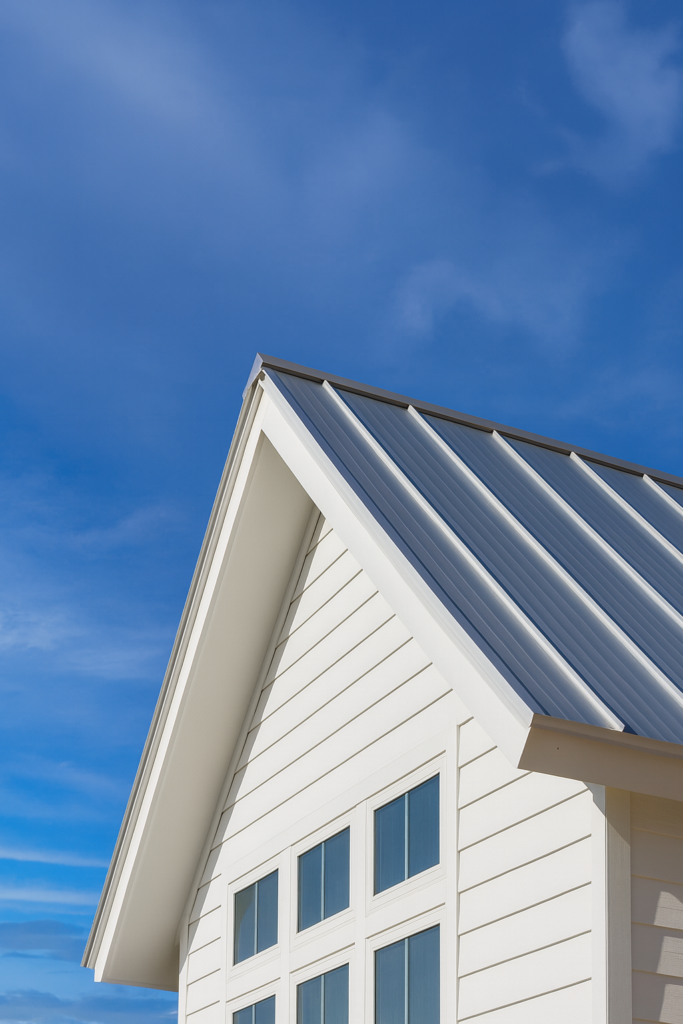
A full eave return—or no return at all—is almost always stronger than a partial solution. Carrying the eave through creates a clean edge and a more honest expression of the roof structure.
This approach works across styles and scales, from cottages to larger homes.
Historic homes rarely relied on pork chop eaves. There’s a reason for that. Traditional buildings used clear roof geometry and consistent trim language, and those principles still apply today.
When we reference older architecture, we’re not copying—we’re learning.
Trends come and go. Exterior architecture lives with you for decades. Choosing details that are simple and resolved helps a home age well, photograph well, and hold its value.
A strong elevation doesn’t need gimmicks. It needs restraint.
In this office, everyone has thoughts on the pork chop eave. The biggest debate might be when they first became popular, but the conclusion is consistent: they don’t elevate a home.
Have a question about an exterior detail you’re seeing everywhere? We’re always happy to talk architecture.