
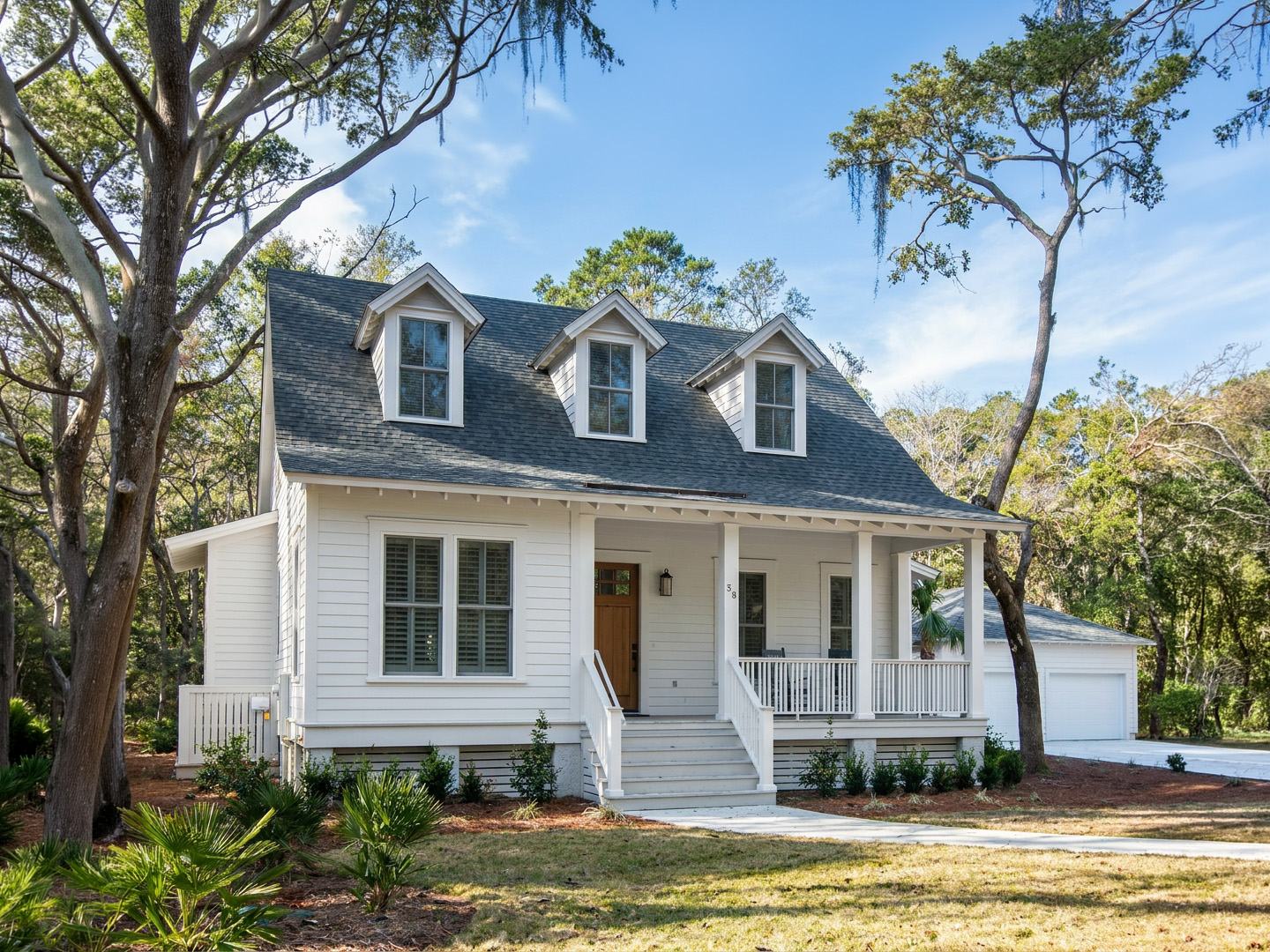
Lowcountry architecture runs through much of our work. It shaped our early projects, it still defines many of our most recognized plans, and it continues to guide how we think about houses today.
This style has held up over time because it was never just about appearance. It grew out of life along the coast and out of the practical needs that come with heat, humidity, and water nearby.
Why Lowcountry Architecture Lasts
Lowcountry houses were drawn for real conditions. They were meant to be lived in, not just admired from the street.
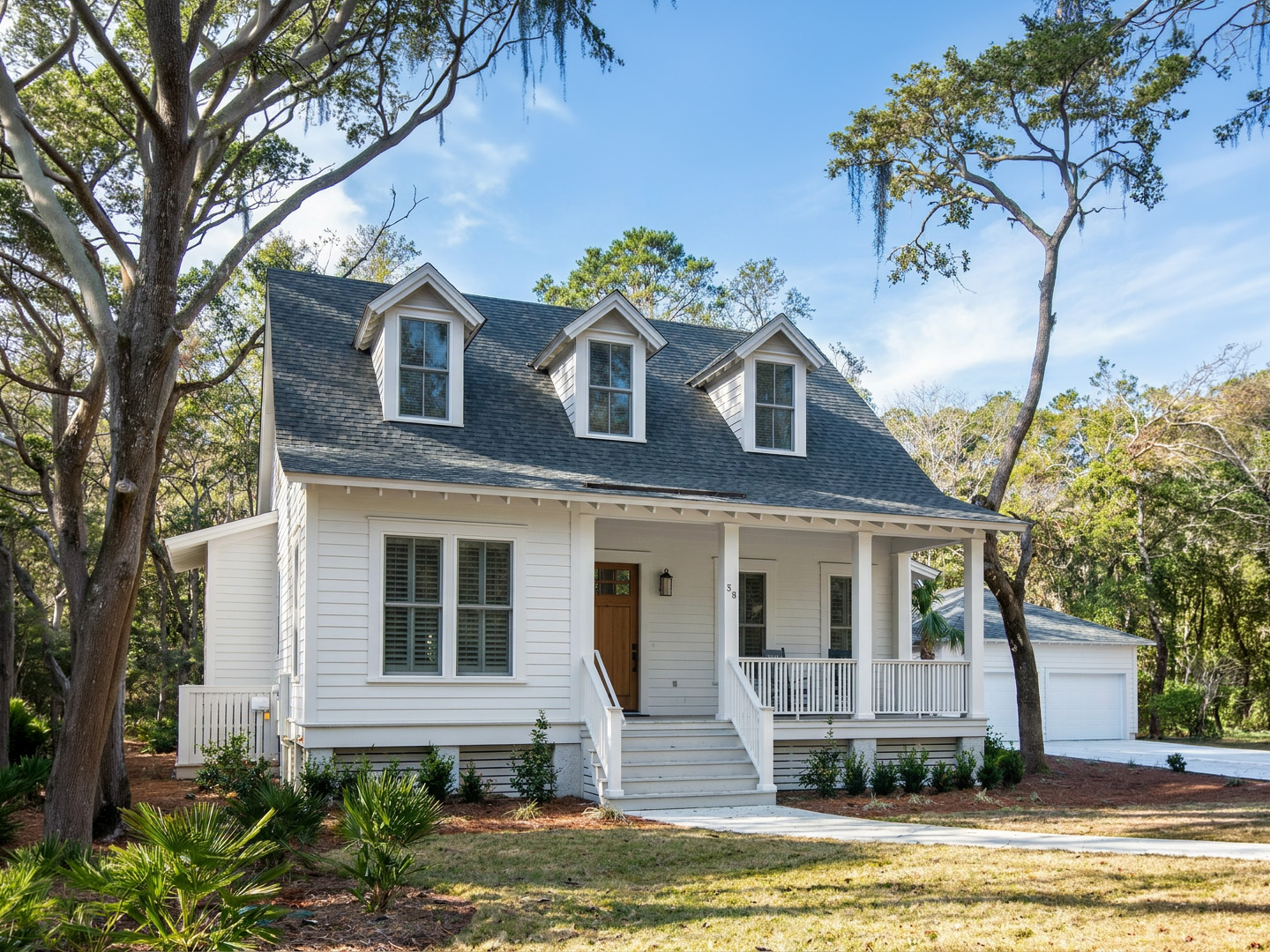
A raised foundation lifts the living spaces above damp ground and gives the house a clear base. A porch with real depth offers shade and a place to sit, and it also becomes a natural link between the house and its surroundings. Generous openings bring in light and air, and the overall form stays simple enough that the house feels calm rather than busy.
Those choices still make sense now. A well-designed Lowcountry house does not rely on a current look to feel right. It works because it is shaped by its setting and by the way people actually use it day to day.
What We Are Best Known For
From the beginning, this has been our core architectural language.
Many of our plans take cues from towns like Beaufort and Charleston, where houses respond to sun, wind, and views in ways that feel deliberate rather than accidental. People often find us because they are looking for that kind of home—a house that feels like it belongs on the coast or in a town that lives close to the water.
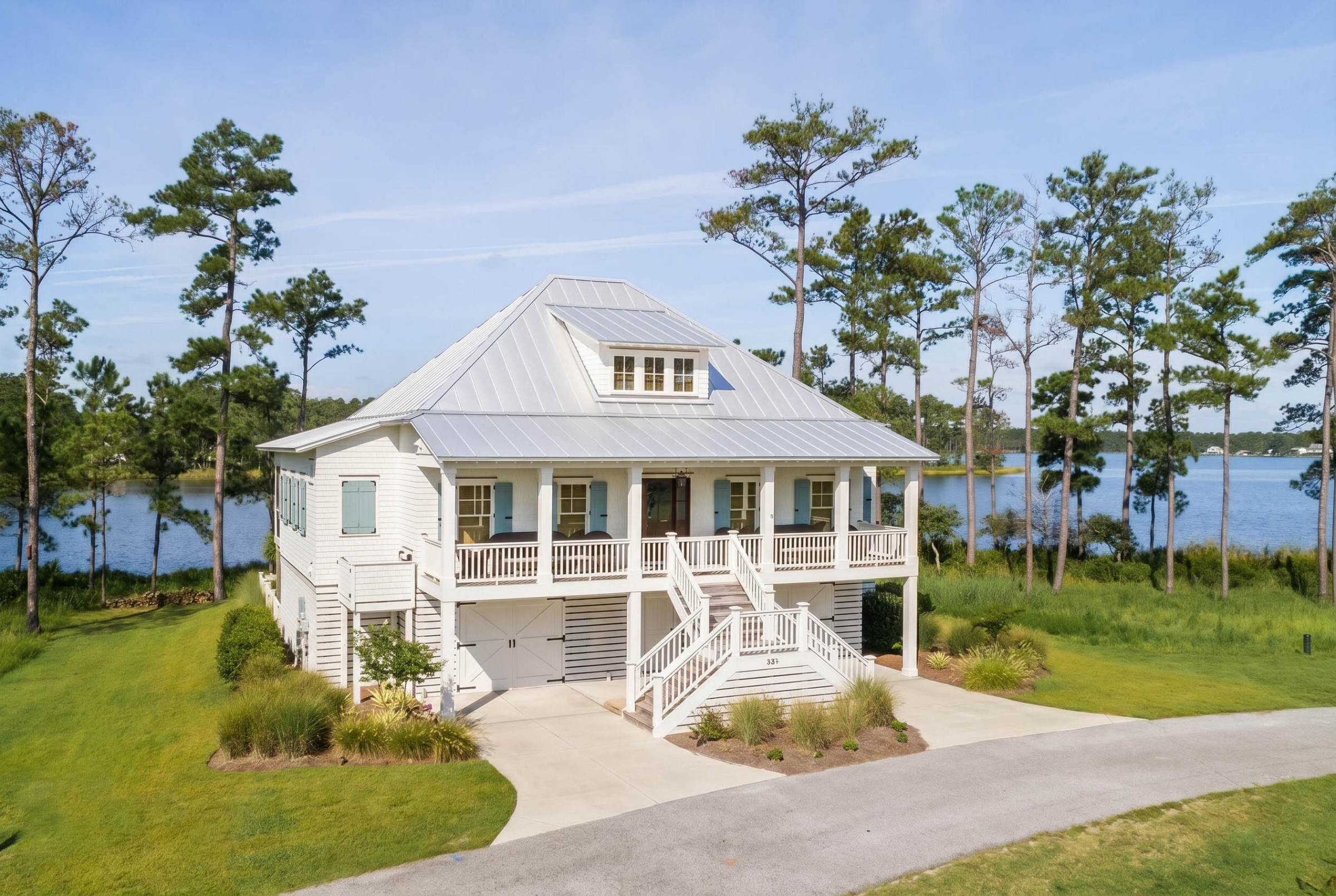
You can see this focus in how we draw porches, how we organize entries, and how we handle rooflines. The elevations feel rooted in a place instead of pulled from a catalog. Even as our range of work has grown, this kind of design remains at the center of what we do.
A Plan Library Shaped by the Lowcountry
Because this style is so central to our practice, it shows up throughout our plan library.
Some plans are small cottages that feel bigger than they are because of how the rooms connect to porches and outdoor areas. Others are larger homes that give a family space to gather while still leaving room for quieter corners. Many were drawn with neighborhoods in mind, so the houses can sit side by side and feel related without turning into copies of one another.
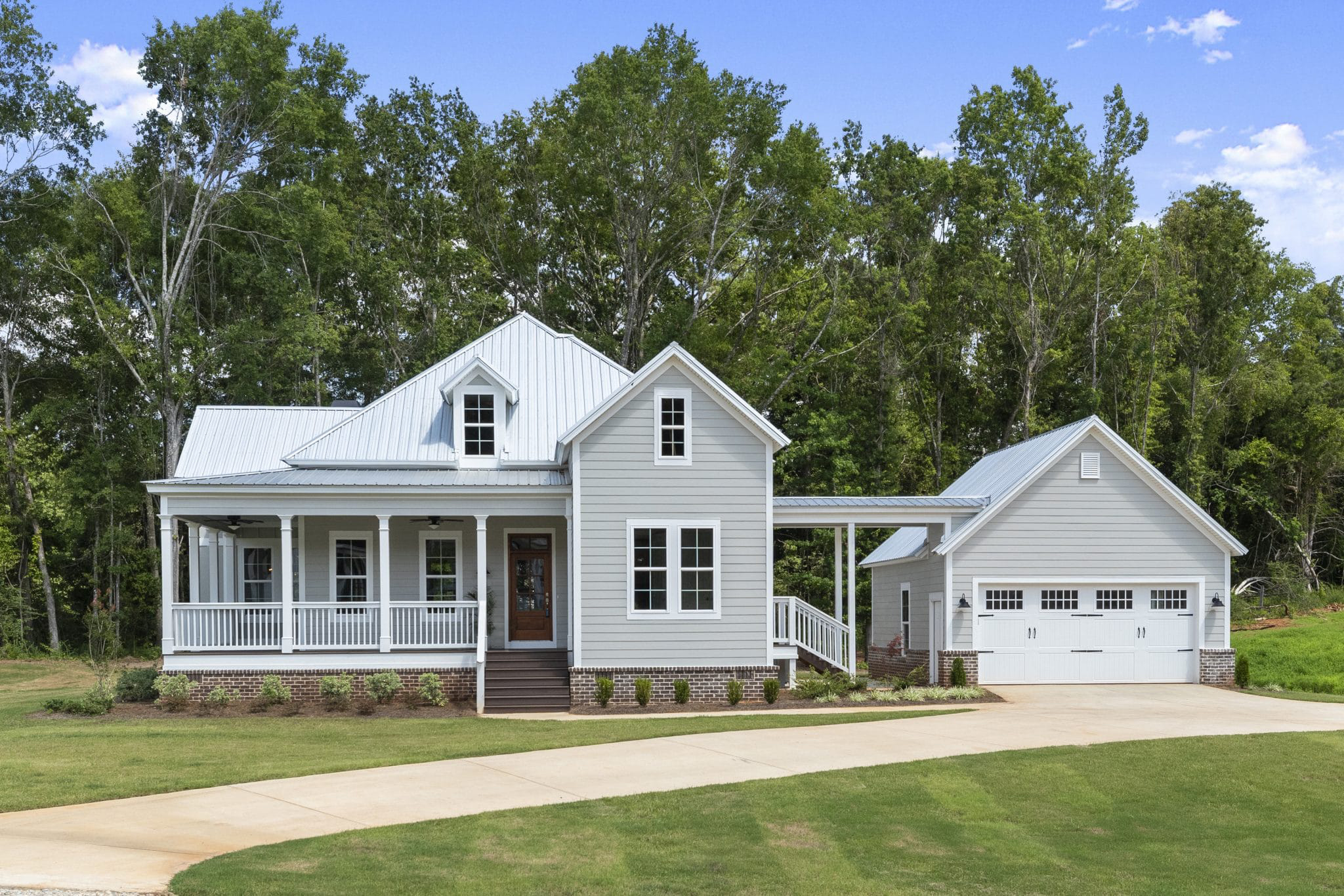
Even when a plan leans toward a slightly different expression—more coastal, more farmhouse, or more urban—the underlying logic is familiar. The way the house meets the ground, deals with shade and sun, and opens to the outside still reflects Lowcountry thinking.
The Carolina Inspirations Plan Books
This long focus on Lowcountry work is also captured in our Carolina Inspirations plan books.
Years ago, before our plans were easy to browse online, we gathered key designs into three printed volumes. Those books helped introduce builders, developers, and homeowners to our approach. They also recorded how our work in this style was growing at the time.
Today, the Carolina Inspirations books are still available on our website. They give a more curated way to explore our plans. Instead of sorting through a long list on a screen, you can flip through a focused set of designs that were carefully chosen to sit together. You can see how one house relates to the next and how a group of homes might begin to shape a street or a small neighborhood.
For many people, the books serve as a bridge between a general love for Lowcountry architecture and a specific plan that feels like the right fit.
A Source of Inspiration We Keep Returning To
We work in other contexts as well, but Lowcountry architecture continues to anchor our thinking.
It invites houses that belong to their sites. It supports porches that are actually used, shade that makes outdoor space comfortable, and daily routines that move easily between inside and outside. It tends to produce streets and neighborhoods that feel open and welcoming rather than closed off.
That is the kind of architecture we want to keep drawing.
Whether you are interested in a small cottage, a retreat near the marsh, or a group of homes for a new neighborhood, our Lowcountry plans represent some of our clearest thinking as designers. They are also the work we are most often recognized for—and a source of inspiration we do not expect to outgrow.
Ready To Build Your Dream Home?
Browse our collection of over 4,000 professionally designed house plans. Find the perfect design for your family.
Explore House Plans